


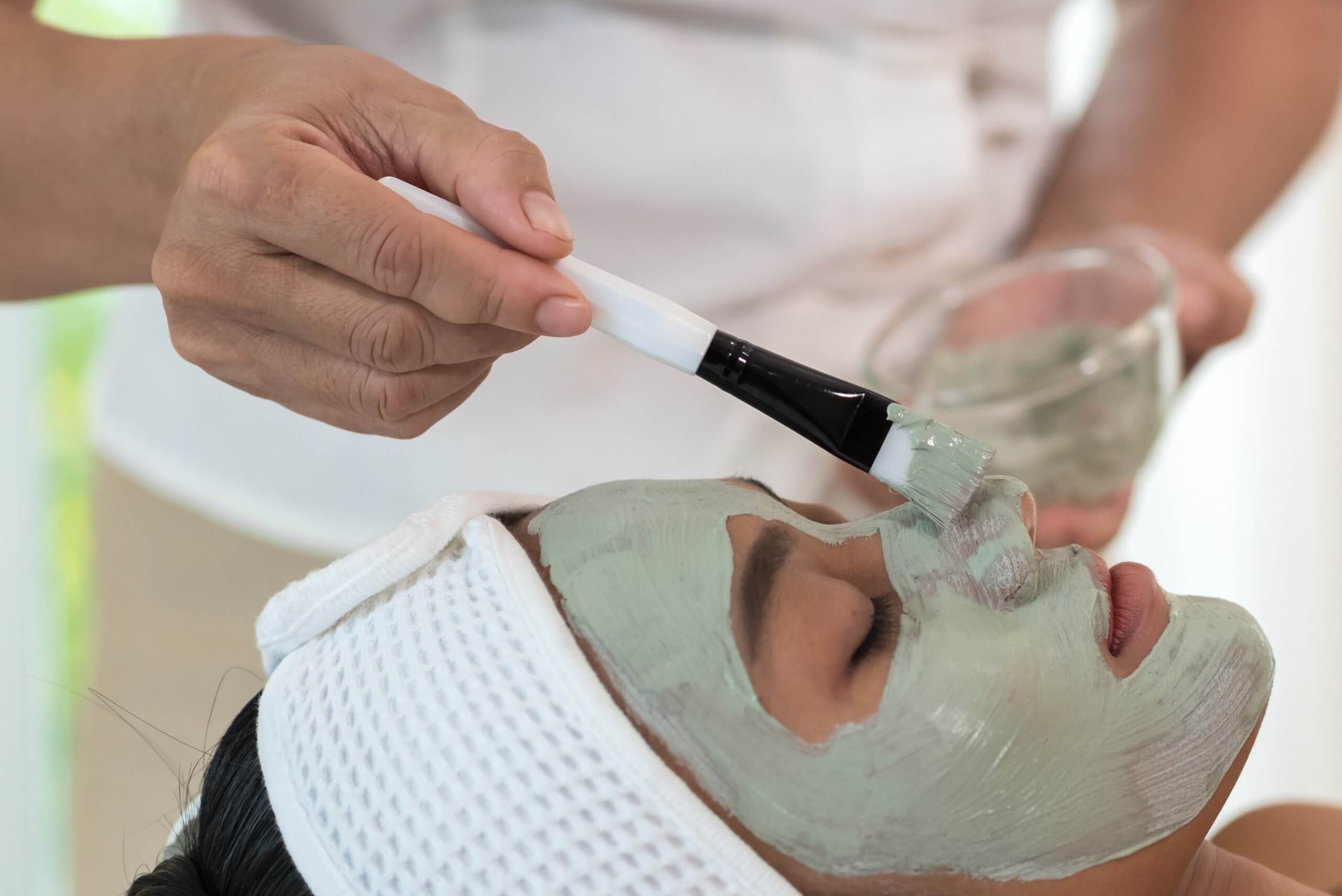
Face masks are among the most curious and misunderstood products in skin care. Some people see masks as miraculous solutions, while others find them completely unnecessary. The truth is somewhere in the middle of these two extremes. Face masks do not treat the skin, but when chosen correctly and used with the right expectations, they can significantly improve the skin’s appearance.
The key issue here is knowing what to expect from masks. A mask is not the star of a care routine; it is a supporting part.
What Do Face Masks Do to the Skin?
Face masks are generally fast-acting products. They provide an instant feeling and appearance of improvement in the skin. Moisturizing masks provide intense moisture to the skin, creating a fuller, more vibrant, and fresher appearance. Its effect is quickly noticeable, especially on tired, dull, and dehydrated skin.
Clay masks, on the other hand, are more suitable for oily and combination skin. It helps balance excess sebum and temporarily makes the skin look more matte and clean. It does not permanently shrink the appearance of pores, but it can give a temporary feeling of tightening.
Soothing masks, on the other hand, offer a relaxing effect on sensitive, reddened, or irritated skin. It reduces tension in the skin, increases the feeling of comfort, and helps the skin look more balanced.
What Don’t Face Masks Do?
The biggest misconception about face masks is the idea that these products will radically change the skin. No mask can repair sagging, erase deep wrinkles, or provide permanent spot treatment. Such results are only possible with medical aesthetic procedures.
Masks do not create a structural transformation in the skin. The effect they provide is mostly visual and temporary. Therefore, it is normal for the skin to look better after using a mask, but this effect is not permanent.
The Biggest Mistakes Made in Mask Use
The most common mistake in mask use is doing it every day or thinking that the more often it is used, the more beneficial it will be. However, a mask is a product that supports the skin, and excessive use can tire the skin. Frequent use of clay and cleansing masks, in particular, can weaken the skin barrier.
Another big mistake is expecting miracles from the mask. Thinking that all skin problems will be solved after applying the mask inevitably leads to disappointment. A mask does not replace regular care; it only complements it.
Where Should Masks Be in the Skin Care Routine?
Face masks can be used once a week or twice a week as needed. Choosing a mask according to the skin’s current condition is the most accurate approach. If there is a need for moisture, a moisturizing mask should be preferred; if the oil balance is disturbed, a clay mask should be preferred; and if there is sensitivity, a soothing mask should be preferred.
The skin must be moisturized after the mask. The mask is like a step that prepares the skin; the main care continues with the products used after the mask.
Conclusion
Face masks are neither a miracle nor unnecessary. When chosen correctly, it really helps the skin look more vibrant, smoother, and more well-groomed. However, it does not repair sagging, erase wrinkles, or solve permanent skin problems. It is healthiest to see masks as auxiliary products that support regular skin care. Success in skin care begins with setting the right expectations.