


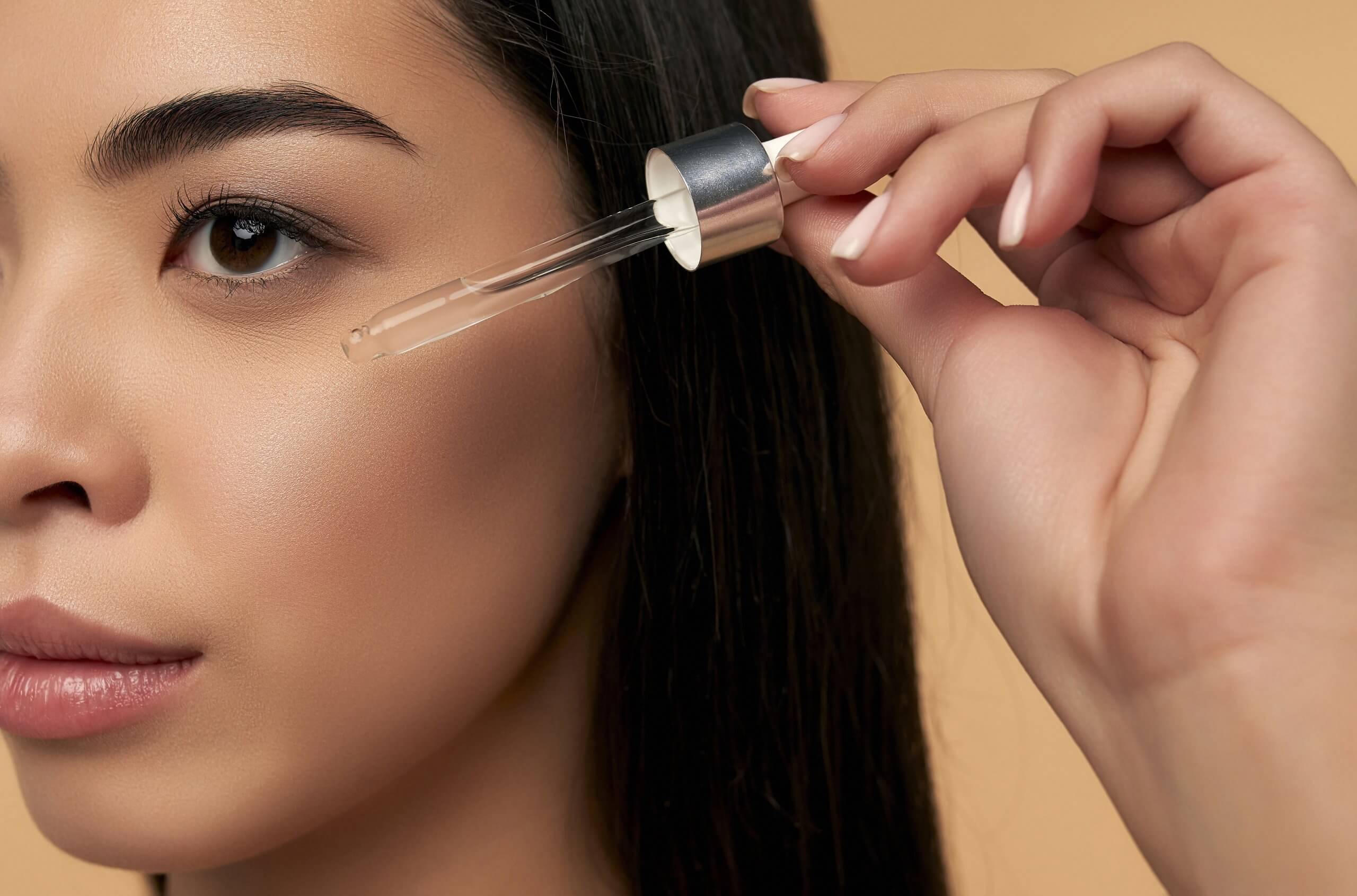
Retinol is a powerful ingredient, a derivative of vitamin A, and is considered one of the most effective active ingredients in skin care. It helps the skin look smoother, more balanced, and healthier by increasing the rate of cell renewal. When used correctly, it can reduce the appearance of fine lines, improve skin texture, and provide a more vibrant skin appearance in the long run.
However, retinol is not an ingredient that can be used with the logic of “the more, the better”. Incorrect use can lead to serious problems instead of benefiting the skin. Therefore, it is essential to be conscious when using retinol.
What Does Retinol Do?
The main effect of retinol is to accelerate the renewal process of skin cells. In this way, irregularities on the skin surface decrease over time, fine lines become less visible, and the skin tone appears more even. It can also help improve the appearance of pores and make the overall texture of the skin smoother.
However, these effects do not appear immediately. Retinol is an ingredient that requires patience and requires regular, controlled use.
The Biggest Mistakes Made in Retinol Use
The most common mistake regarding retinol is thinking that it should be used every day. Especially for skins that are new to retinol, this is the approach that leads to irritation the fastest. Redness, peeling, burning sensation, and sensitivity are often the result of this misuse.
Another big mistake is using retinol with acids. Using retinol in the same routine with AHA, BHA, or peeling-effect products strains the skin barrier and may increase the risk of blemishes. Retinol is powerful and is sufficiently stimulating for the skin even on its own.
How Should Retinol Be Used Correctly?
Retinol use should always be started with a low frequency. A usage like twice a week is an ideal start for the skin to get used to this ingredient. As skin tolerance increases, the frequency of use can be increased slowly, but this process should not be rushed.
Retinol should only be used in the evening routine. It is not recommended for daytime use as it creates sensitivity to sunlight. A good moisturizer should be used after application to soothe and support the skin. This reduces the risk of irritation and helps protect the skin barrier.
Why is Sunscreen Mandatory?
Sunscreen is indispensable for anyone using retinol. Retinol makes the skin more sensitive to the sun, and the risk of blemish formation increases dramatically when protection is not used. Therefore, a broad-spectrum sunscreen must be applied the next day during periods when retinol is used.
Using retinol without using sunscreen can completely reverse the benefits of the care.
Who Should Be Careful?
People with sensitive skin, rosacea-prone skin, or active skin problems should be more careful before using retinol. Lower concentrations should be preferred in such skins, and the skin’s reactions should be closely monitored.
Conclusion
Retinol is a powerful ingredient that really makes a difference in skin care when used correctly. However, when used incorrectly, it can lead to serious problems such as redness, peeling, and blemishes. Starting with a low frequency, using it only in the evenings, supporting it with a good moisturizer, and applying sunscreen during the day are the basic rules for seeing the benefits of retinol. Success in skin care is knowing how to use powerful ingredients correctly, not just having them.